.svg)
How Multi-Location and Franchise Auto Shops Keep One Unified Customer Database
When an auto shop grows into multiple locations or a franchise, customer data stops following the customer. Here's how a centralized CRM and mobile app keep one unified database across every branch.

.png)
Helping auto shops work smarter and grow.

Running one auto shop is demanding enough. Phones ring, customers wait, technicians need approvals, and something always feels urgent. When that single shop grows into three, five, or twenty locations — or becomes a franchise — the job quietly changes. You stop managing cars and start managing systems. And the first system that tends to break is your customer database.
At one location, customer information lives in one place, even if that place is a mix of a whiteboard, a shared inbox, and the owner's memory. Add a second location, and a hard question appears: when a customer who was serviced at Branch A shows up at Branch B, does anyone there know their history? For most growing shops, the honest answer is no. The record didn't travel, because the data was never truly centralized.
Why customer data breaks when you add locations
The core problem with multi-location growth isn't bad staff or bad intentions — it's inconsistency. One location logs every job diligently; another relies on memory. One manager follows the process; another has their own way of doing things. Reports look fine at a glance, but the moment you try to compare branches or pull up a customer's full history, the details don't line up.
This shows up in a few predictable ways. Customer records don't follow the vehicle from one branch to another, so service history is fragmented. Revenue and performance data can't be compared across sites without someone manually exporting and stitching together spreadsheets. And communication gaps between locations slow down every job that touches more than one shop. Each of these problems gets worse with every location you add.
What "one unified customer database" actually means
A unified customer database means every location reads from and writes to the same source of truth. When a customer is added or updated at any branch, that change is instantly visible everywhere. A vehicle serviced at your east-side shop in March is fully visible to your west-side shop in September — same history, same notes, same photos, same pricing record.
That single change fixes a surprising number of downstream problems. Customers get consistent service no matter which branch they walk into. Staff stop re-entering information that already exists. And you, as the owner, finally get one clean view of who your customers are across the entire business rather than a pile of disconnected islands.
Why the mobile app matters across locations
For a multi-location operator, being tied to a back-office desktop is a real constraint — you're rarely in one place. A mobile app changes that. It lets an owner or district manager check any location's jobs, customers, and status from their phone, whether they're standing in Branch C or driving between sites.
For staff on the floor, the same app means they can pull up a customer's complete cross-location history on the spot, add or update records in real time, and keep the shared database accurate as they work. The database stays current everywhere because it's being maintained everywhere, not reconciled at the end of the month.
Consistency is what makes a franchise a franchise
For franchises specifically, a shared customer database isn't just convenient — it's the backbone of the brand promise. The whole point of a franchise is that a customer gets the same experience at any location. That's impossible if each unit keeps its own private records in its own format. When every location works from standardized customer profiles and shared workflows, small inconsistencies don't compound into uneven customer experiences and mismatched reporting down the line.
Industry data backs this up: an analysis of multi-location auto repair operators found that the businesses centralizing customer communication and records grew faster than those relying on disconnected tools and manual processes — with the strongest operators treating unified systems, not simply more effort, as the engine of growth.
Control who sees what with roles and permissions
A unified database raises a fair concern: if every location shares data, how do you keep it secure and prevent mistakes? The answer is role-based access. Good multi-location software lets you set permissions by role and by location, so a technician sees what they need for their jobs, a branch manager sees their location's full picture, and ownership sees everything across the group. You get the benefits of shared data without losing control over it.
See every location from one dashboard
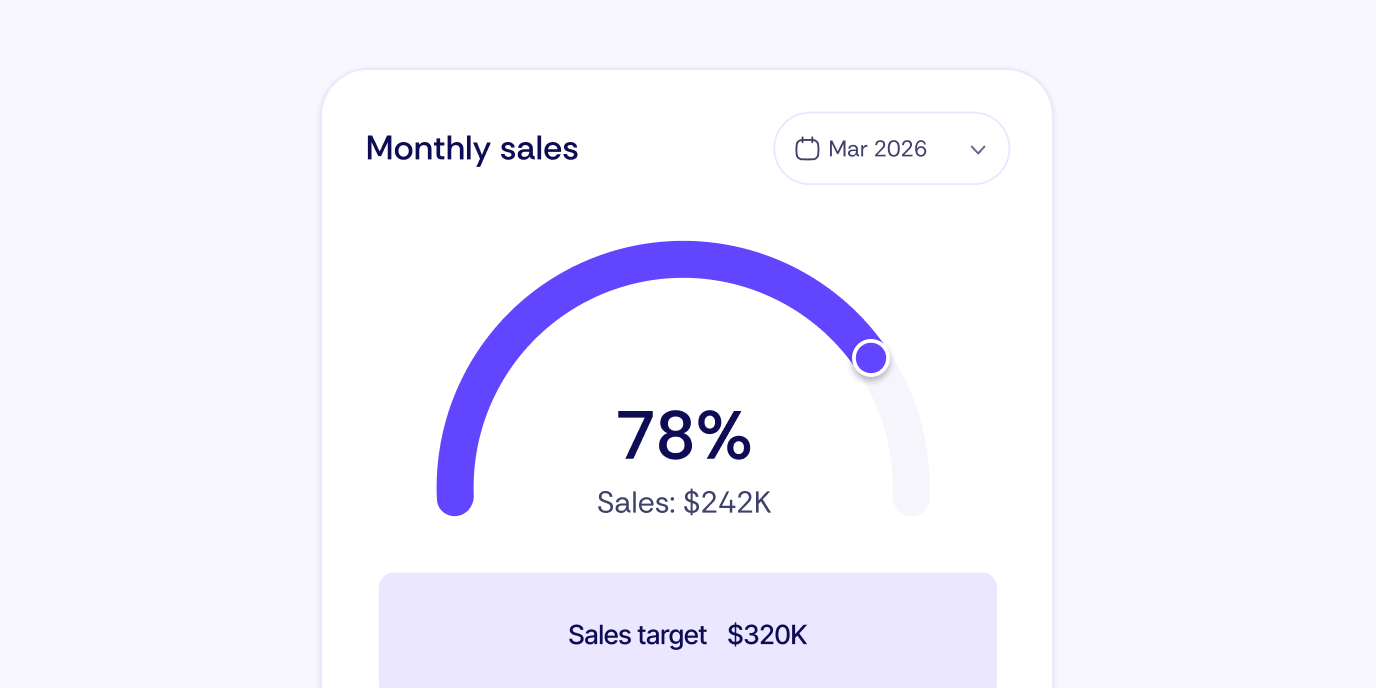
Once your customer and job data is unified, reporting stops being a spreadsheet chore. Instead of exporting numbers from each shop and manually rolling them up, you get live visibility into every branch from one place — which locations are busiest, how each is performing, and where a problem is developing before it becomes expensive. That real-time, cross-location view is often the single biggest relief for owners scaling past their first shop.
Bringing it together with OXMotive
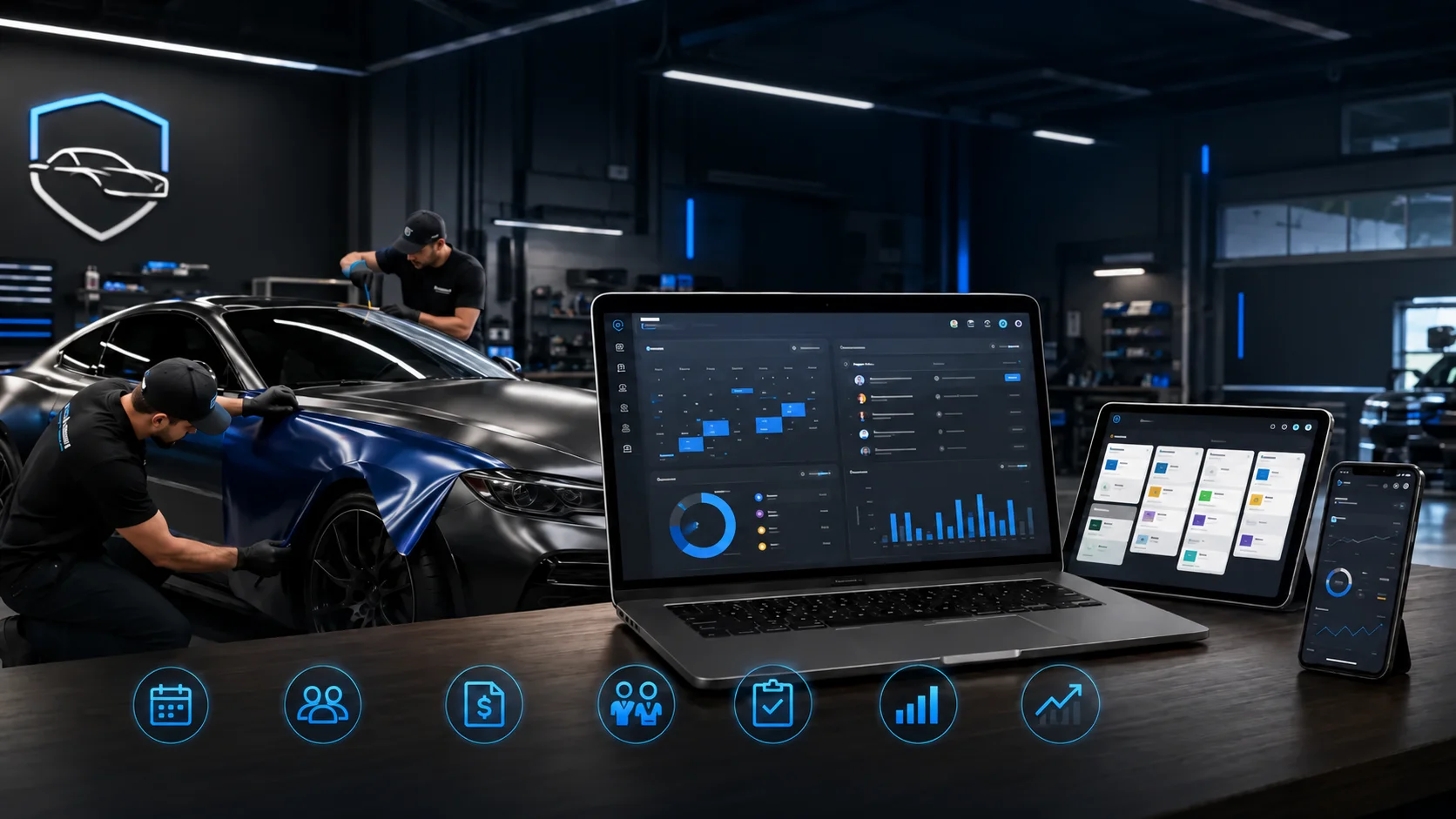
OXMotive is built for exactly this kind of growth. It brings your customer profiles, job management, photo and video documentation, SMS updates, and real-time reporting into one system, with multi-location support so every branch works from the same unified customer database. Role-based permissions keep data secure across the group, and the mobile app means you can manage any location from anywhere.
Whether you're running your second shop or your twentieth, the operators who scale smoothly are the ones who stop treating each location as an island. A single, shared customer database is where that consistency starts.
Frequently asked questions
How do multi-location auto shops share one customer database?
By using a centralized, cloud-based system where every location reads from and writes to the same records. With software like OXMotive, a customer added or updated at one branch is instantly visible at every other location, so service history follows the customer everywhere.
Can I manage all my shop locations from my phone?
Yes. OXMotive's mobile app lets owners and managers view jobs, customer profiles, and performance for any location from their phone, and lets on-site staff update the shared database in real time — so you're not tied to a back-office desktop to run the business.
How is franchise auto shop software different from single-shop software?
Single-shop tools manage one location's data in isolation. Franchise and multi-location software is built to connect every branch — a shared customer database, standardized workflows, cross-location reporting, and role-based permissions —
so the experience and the data stay consistent across the whole group.
How do I keep customer data secure when every location can access it?
Through role-based permissions set by role and by location. A technician, a branch manager, and an owner each see the level of data appropriate to them, so a shared database doesn't mean everyone can see or change everything.
Do I need multi-location software if I only have two shops?
It's often the best time to adopt it. Putting a unified system in place at two locations prevents the data fragmentation and inconsistent processes that become much harder to untangle at five or ten. Centralizing early makes future growth far smoother.
Ready to run every location from one unified customer database? Book a demo of OXMotive and see how it fits your multi-location or franchise operation.
Subscribe to our newsletter today
Fresh insights and practical tips delivered every week.