.svg)
What Ceramic Coating Customers Actually Ask Before Buying (And How to Answer)
Customers do not understand ceramic coating, which is why it is hard to sell. Here are the real questions they ask before buying and honest answers that close the job.

.png)
Helping auto shops work smarter and grow.
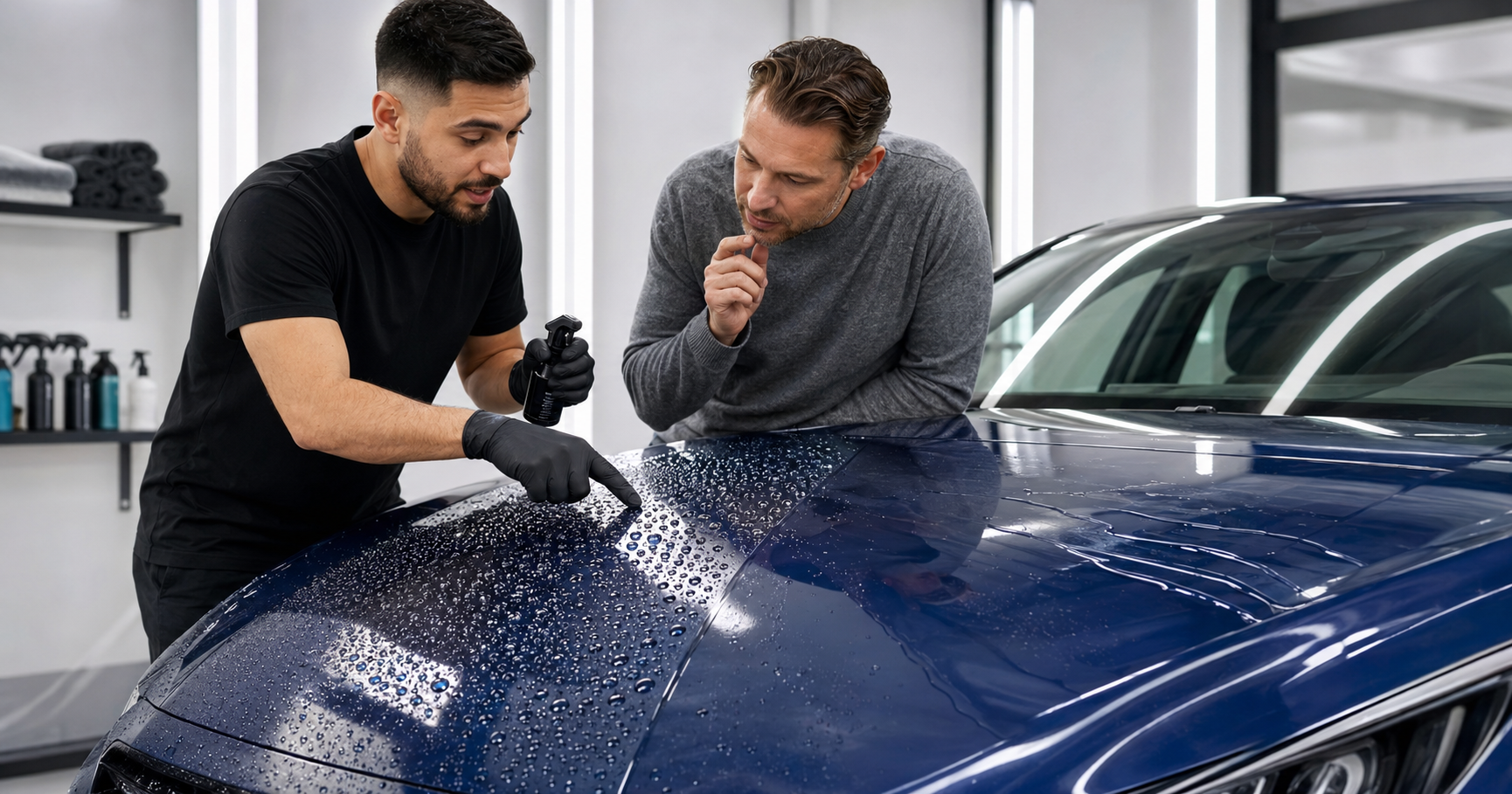
Ceramic coating is one of the highest-margin services a detailing shop can offer, but it is also one of the hardest to sell, because customers do not understand what they are buying and the internet is full of contradictory claims. The shops that close ceramic consistently are not the ones with the slickest pitch, they are the ones that answer the customer's real questions honestly and confidently. This guide walks through the questions ceramic customers actually ask, and how to answer each one in a way that builds trust and closes the sale.
"Is ceramic coating worth it?"
This is the question underneath every other question, and the honest answer depends on the customer, which is exactly why honesty sells here. Ceramic coating is worth it for someone who wants their paint to stay glossy, resist UV fading, stains, and water spots, and be far easier to wash for years. It is not a magic force field, and pretending it is will cost you the sale the first time reality does not match the hype. When you frame it as real, lasting protection and easier maintenance rather than as invincibility, customers trust you, and a customer who trusts you buys.
"How long does it actually last?"
Customers have heard everything from one year to a lifetime, so give them a straight answer. A professionally applied ceramic coating generally lasts on the order of two to seven years, depending on the grade of product, the quality of the prep and application, and how the customer maintains it. Be clear that lifespan is not automatic: a coating on a car that is washed properly will outlast one that is neglected. Setting the honest range, and explaining what affects it, positions you as the expert and pre-empts the disappointment that comes when a customer expected a decade and got four years.
"Does it protect against scratches and rock chips?"
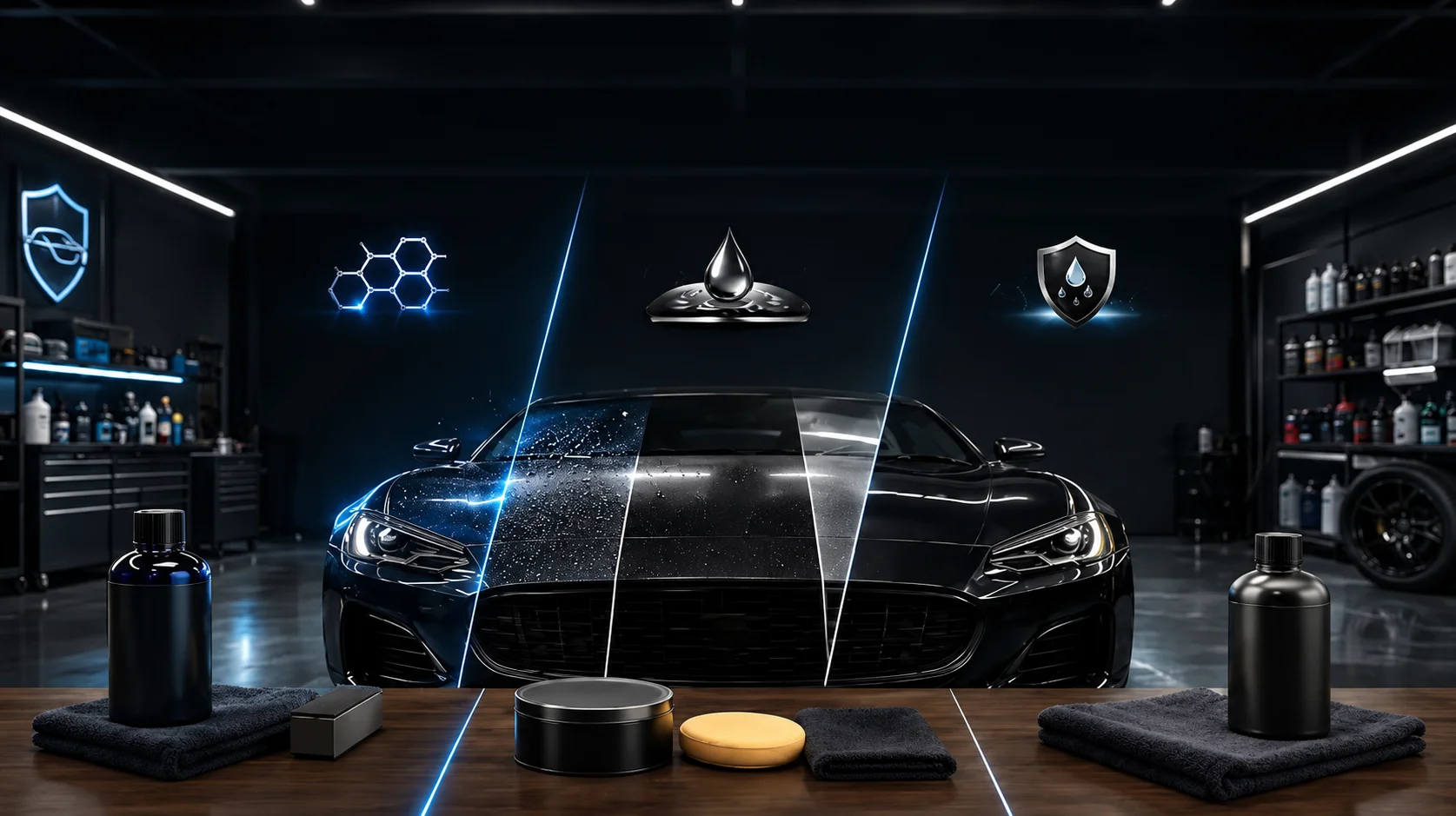
This is the most important expectation to set, because getting it wrong creates angry customers. Ceramic coating is a chemical barrier, not a physical one. It protects against UV, chemical stains, bird droppings, and water spots, and it adds gloss and slickness, but it does not stop rock chips or deep scratches. A customer who buys ceramic expecting impact protection will feel cheated the first time a stone hits the hood. The right move is to explain the difference plainly, and if they want impact protection, that is your opening to talk about paint protection film, often alongside ceramic, which is a bigger and more profitable job.
"Why is it so much more expensive than a wax?"
Price resistance usually comes from comparing ceramic to a wax, so explain what the money actually buys. A wax lasts weeks to a few months and sits on top of the paint. A ceramic coating chemically bonds to the clear coat and lasts years, and most of what the customer is paying for is not the bottle, it is the hours of meticulous preparation, washing, decontamination, and often paint correction, that must happen before the coating goes on. That prep is what determines the result, and it is skilled labor. When customers understand they are paying for durable protection and expert preparation rather than a fancier wax, the price stops feeling unreasonable.
"Can I just do it myself with a kit?"
Consumer ceramic kits exist, and dismissing them makes you look defensive, so address it honestly. DIY kits can work, but the coating is only as good as the preparation beneath it, and that is where consumer applications usually fall short. Any imperfection, swirl, or contaminant in the paint gets sealed under the coating for its entire lifespan, so a rushed DIY job can lock in flaws for years. What the customer pays a professional for is the correction and flawless prep that makes the coating actually perform, plus a result that lasts rather than streaks or fails early. Framed that way, the value of professional application is obvious without you having to knock the alternative.
"What do I have to do to maintain it?"
Customers worry a premium service will be high-maintenance, so reassure them, it is the opposite. A ceramic-coated car is easier to maintain, not harder: dirt and water sheet off, washing is faster, and it needs no waxing. The main guidance is to wash regularly with proper technique and avoid harsh automatic washes, and some coatings benefit from an occasional maintenance topper. Giving the customer simple, clear aftercare instructions, and following up to remind them, is also a retention opportunity: it keeps you in touch and opens the door to maintenance visits and eventual reapplication.
Turn honest answers into a repeatable sale
The reason honest, expert answers close ceramic jobs is that the service requires trust, and trust cannot be faked. The shops that win do this the same way every time: the same clear explanations, the same honest ranges, the same framing of ceramic versus PPF, and a record of what each customer asked and bought so the follow-up and reapplication reminders actually happen. Keeping that consultation and the customer's coating details in a customer profile, and letting the system send the maintenance and reapplication follow-ups, means a one-time ceramic sale becomes a long-term, repeat relationship. A CRM and mobile app like OXMotive handles that record and follow-up automatically.
How it comes together
Selling ceramic is not about a better pitch, it is about better answers. Tell customers honestly what ceramic is worth, how long it lasts, what it does and does not protect against, why it costs what it does, and how easy it is to maintain, and you build the trust that closes high-margin jobs. Answer the same way every time, set expectations that match reality, and follow up, and ceramic becomes one of the most reliable and profitable services on your menu. For the aftercare customers ask about most, point them to our guide on ceramic coating maintenance and care.
Frequently asked questions
How long does ceramic coating last?
A professionally applied ceramic coating generally lasts around two to seven years, depending on the product grade, the quality of preparation and application, and how well the customer maintains it. Lifespan is not automatic, since a properly washed car will keep its coating performing longer than a neglected one. Giving customers the honest range up front prevents disappointment later.
Does ceramic coating protect against rock chips and scratches?
No. Ceramic coating is a chemical barrier that protects against UV, stains, bird droppings, and water spots and adds gloss and slickness, but it does not stop rock chips or deep scratches. Customers who want impact protection need paint protection film, which is often applied alongside ceramic. Setting this expectation clearly is the most important part of selling ceramic honestly.
Why is ceramic coating more expensive than waxing?
A wax lasts weeks to a few months and sits on the surface, while a ceramic coating bonds to the clear coat and lasts years. Most of the cost is the skilled preparation, washing, decontamination, and often paint correction, that must happen before application, not the product itself. That prep is what determines the result and is why professional ceramic costs more than a wax.
Is a DIY ceramic kit as good as professional application?
DIY kits can work, but a coating is only as good as the prep beneath it, and that is where consumer jobs usually fall short. Any swirl or contaminant gets sealed under the coating for its whole lifespan, so a rushed application can lock in flaws for years. Professional application pays for the correction and flawless prep that make the coating actually perform and last.
How do you maintain a ceramic coated car?
It is easier to maintain than uncoated paint: dirt and water sheet off, washing is faster, and no waxing is needed. The main guidance is to wash regularly with proper technique, avoid harsh automatic washes, and consider an occasional maintenance topper depending on the coating. Clear aftercare instructions and follow-up reminders help the coating last and keep the customer coming back.
Ceramic coating lifespan and performance details reflect widely published 2026 industry guidance and are provided as general ranges. Actual results depend on the specific product, preparation, application, and maintenance.
Subscribe to our newsletter today
Fresh insights and practical tips delivered every week.