.svg)
Customer Lifetime Value for Auto Appearance Shops: How to Measure and Grow It
Customer lifetime value is the total revenue a customer generates over the whole relationship, not just the first sale. Here is how to measure it for your appearance shop and grow it.

.png)
Helping auto shops work smarter and grow.
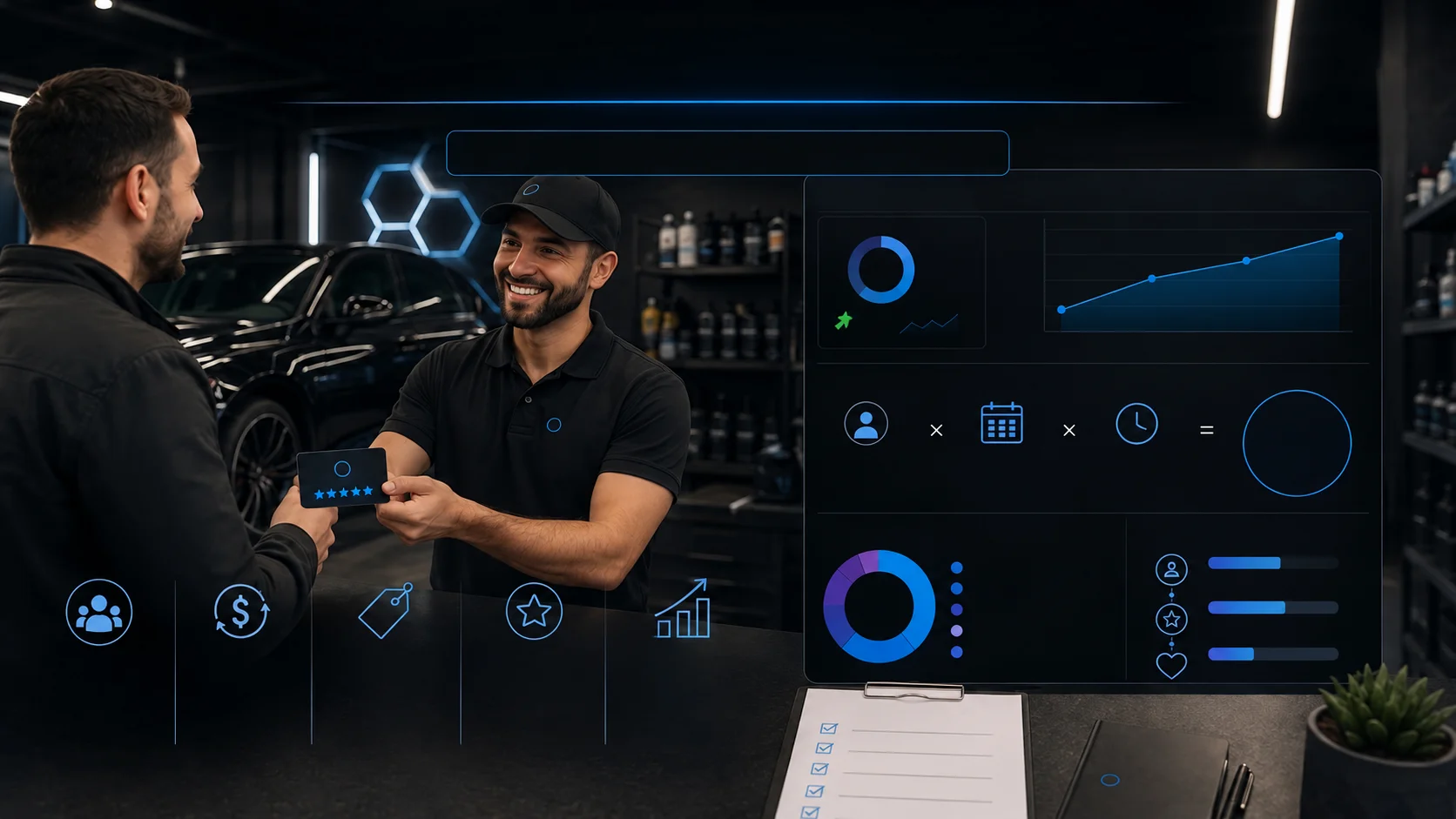
Most shop owners think in terms of the job in front of them: what this detail, coating, or wrap is worth today. But the operators who build genuinely valuable businesses think in terms of customer lifetime value, the total revenue a customer generates over the entire relationship, not just their first visit. Understanding and growing this number is one of the most powerful shifts an appearance or protection shop can make. This guide explains what customer lifetime value is, how to measure it for your shop, and the practical levers that grow it.
What customer lifetime value actually means
Customer lifetime value, often shortened to CLV or LTV, is the total revenue you earn from a customer across the whole time they do business with you. A customer who comes in once for a $250 detail and never returns has a lifetime value of $250. A customer who details twice a year, adds a ceramic coating, and refers a friend is worth many times that. The core insight is that the first sale is rarely where the real money is, it is the beginning of a relationship whose full value unfolds over years. Once you see customers as relationships with a lifetime value rather than one-off transactions, how you run the business changes.
Why lifetime value matters more than the first sale
Focusing on lifetime value reframes almost every decision. It justifies spending more to acquire a customer, because you are not trying to profit from their first visit alone but from years of business. It makes retention the priority it should be, since keeping a customer compounds their value while losing one caps it at a single sale. And it clarifies which customers and services actually matter, because a lower-margin first job that leads to years of repeat work can be worth far more than a high-margin one-off. Shops that fixate only on the immediate transaction consistently leave the largest part of each customer's value uncaptured, which is why lifetime value is the more useful lens.
How to measure lifetime value for your shop
You do not need complex math to get a useful number. A simple approach is to multiply your average transaction value by how many times a typical customer buys per year, and then by the average number of years a customer stays with you. For example, a customer who spends about $200 per visit, comes twice a year, and stays for three years has a lifetime value of roughly $1,200. Even a rough version of this calculation is illuminating, because it turns the abstract idea of a relationship into a concrete number you can grow. The real requirement is not the formula but the data: you can only measure lifetime value if you actually track what each customer spends and how often they return.
Lever one: increase how much each customer spends per visit
The first lever on lifetime value is average transaction value, what a customer spends each time. You raise it through the pricing and service structure that encourages a bigger ticket: clear tiered packages that guide customers to fuller service, high-margin add-ons offered at the right moment, and premium services like coating and protection that lift the whole relationship's value. Moving a customer from a basic wash to a full detail, or from a detail to a detail-plus-coating, increases every future visit's value, not just one. Because this lever multiplies across every visit over the customer's lifetime, small increases in average ticket compound into meaningful lifetime-value gains.
Lever two: increase how often they come back
The second lever is frequency, how often a customer returns, and it is often the most powerful because appearance services are naturally recurring. A customer who visits twice a year is worth double one who visits once, over the same relationship. You increase frequency through systematic follow-up that brings customers back at the right time, maintenance plans and memberships that build in regular visits, and reminders tied to what each customer is due for. This is where most shops leave the most value on the table, because customers who would happily return simply forget, and the shop never reminds them. Turning occasional customers into regular ones is frequently the single biggest lifetime-value opportunity a shop has.
Lever three: keep customers for more years
The third lever is retention over time, how many years a customer stays before drifting away. Every additional year a customer remains adds directly to their lifetime value, and the difference between a customer who stays one year and one who stays five is enormous. You extend the relationship through consistent quality, genuine personal service that makes customers feel known, and staying in touch so you remain their default choice rather than being forgotten. Referrals compound this further, since a loyal long-term customer often brings in others whose own lifetime value adds to the total. Long, loyal relationships are the foundation of a high-lifetime-value business, and they are built deliberately, not by luck.
Why this all depends on organized customer data
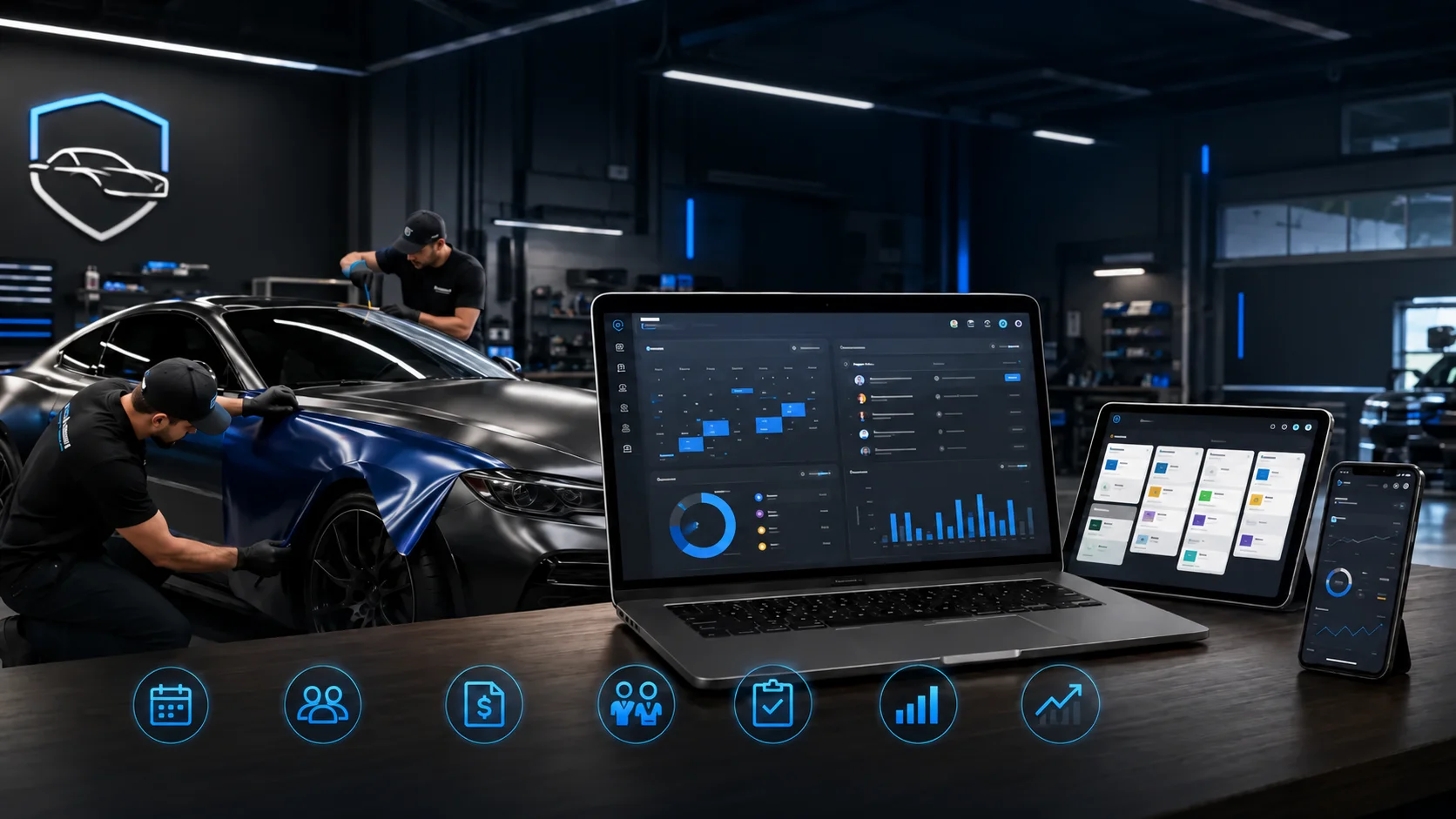
Every part of lifetime value, measuring it, and pulling all three levers, depends on actually knowing your customers: what they bought, how often they come, and when they are due. That is impossible on memory and paper, which is exactly why most shops never measure or grow lifetime value at all. With organized records, you can calculate the number, identify your highest-value customers, offer the right services to raise their spend, follow up to increase frequency, and stay connected to extend the relationship. Keeping customer and service history, automated follow-up, and reporting in one system like OXMotive is what makes lifetime value something you can actually manage rather than just a concept. For the deeper strategies, see our guides on recurring revenue and memberships and customer data as a competitive advantage.
How it comes together
Customer lifetime value is the total revenue a customer generates over the whole relationship, and it is a far more useful lens than the first sale because it makes retention, frequency, and average ticket the priorities they should be. Measure it with a simple calculation of spend times visits times years, then grow it by raising how much each customer spends, how often they return, and how long they stay. All of it depends on organized customer data, which is why the shops that truly grow lifetime value are the ones that run on a system rather than memory. Shift your focus from the job in front of you to the lifetime of the relationship, and you build a fundamentally more valuable business.
Frequently asked questions
What is customer lifetime value for a shop?
Customer lifetime value is the total revenue a customer generates over the entire time they do business with you, not just their first visit. A one-time $250 detail customer has a lifetime value of $250, while a customer who returns regularly, adds premium services, and refers others is worth many times that. It reframes customers as long-term relationships rather than one-off transactions, which changes how you run the business.
How do I calculate customer lifetime value?
A simple approach is to multiply your average transaction value by how many times a typical customer buys per year, then by the average number of years a customer stays. For instance, $200 per visit, twice a year, for three years gives a lifetime value of roughly $1,200. Even a rough calculation is useful, but it requires tracking what each customer spends and how often they return, which is why organized records are essential.
Why is lifetime value more important than the first sale?
Because the first sale is usually the smallest part of a customer's total value. Focusing on lifetime value justifies investing more to acquire customers, makes retention the priority, and clarifies which customers and services matter most, since a modest first job that leads to years of repeat work can far outvalue a high-margin one-off. Shops that fixate only on the immediate transaction leave the largest part of each customer's value uncaptured.
How do I increase customer lifetime value?
Pull three levers: increase how much each customer spends per visit through tiered packages, add-ons, and premium services; increase how often they return through follow-up, reminders, and memberships; and keep customers for more years through consistent quality, personal service, and staying in touch. Frequency is often the biggest opportunity, since many customers would return but simply forget and are never reminded.
What do I need to track lifetime value?
Organized customer data: what each customer bought, how often they visit, and when they are due for service. This is impossible on memory and paper, which is why most shops never measure or grow lifetime value. With records in one system you can calculate the number, spot your highest-value customers, raise their spend, follow up to increase frequency, and stay connected to extend the relationship.
[[END FAQ]]
This article offers general business guidance. Lifetime value figures are illustrative examples, not benchmarks; calculate your own from your actual customer data.
Subscribe to our newsletter today
Fresh insights and practical tips delivered every week.