.svg)
How to Reduce No-Shows at Your Detailing or Protection Shop
No-shows are costly but largely preventable. Here are practical ways to cut no-shows at a detailing or protection shop, from automated reminders to deposits and easy rescheduling.

.png)
Helping auto shops work smarter and grow.
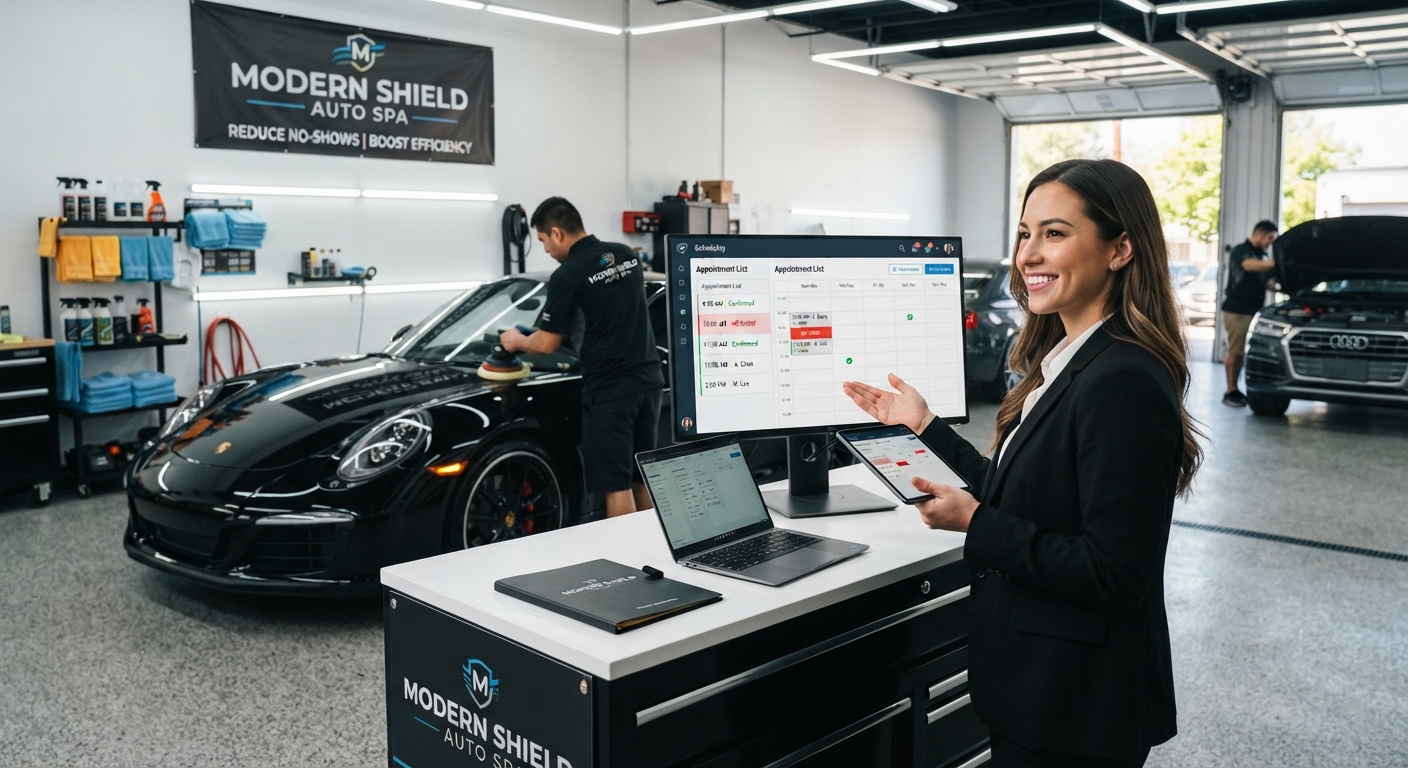
A no-show is one of the most frustrating and costly things that can happen to a shop. A booked slot that goes empty is revenue you cannot get back, time your team could have spent on paying work, and often a scramble to fill the gap on short notice. For appearance and protection shops, where jobs can be lengthy and bays are limited, a no-show can blow a hole in the day. The good news is that no-shows are largely preventable with a few deliberate practices. This guide covers practical ways to reduce them and protect your schedule.
Why no-shows happen
Most no-shows are not customers deliberately blowing you off, they are ordinary forgetfulness and life getting in the way. Someone books days or weeks ahead, the appointment slips their mind, or something comes up and they do not think, or bother, to tell you. Understanding this matters because it points to the solution: if the main cause is forgetting and friction, then reminders and easy communication prevent most no-shows. A smaller share come from weak commitment at booking, which points to a second solution around how appointments are made. Address both, the forgetting and the weak commitment, and you eliminate the large majority of missed appointments.
Appointment reminders are the single biggest lever
The most effective anti-no-show tool is simply reminding customers about their appointments. A well-timed reminder, a message a day or two before and often another on the day, dramatically cuts no-shows by defeating the simple forgetting that causes most of them. This is the highest-return practice available, because it is easy to do and addresses the primary cause directly. The key is consistency: reminders only work if every customer gets them reliably, which is why doing this by hand tends to fail and why automating it is what makes it dependable. If you change one thing about how your shop handles appointments, make it consistent reminders.
Make reminders automatic so they always happen
Manual reminders break down exactly when you are busiest, which is when you most need them. The reliable approach is to automate reminders so every customer receives one without anyone remembering to send it. When your booking system automatically sends a reminder before each appointment, the single most effective no-show prevention runs on its own, consistently, for every customer, forever. This turns a good intention that slips during a hectic week into a dependable safeguard. Automating reminders is the practical difference between knowing reminders help and actually getting the benefit, because the benefit depends entirely on them happening every single time.
Make it easy to reschedule
Some no-shows happen because a customer genuinely cannot make it but finds it easier to just not show up than to deal with rescheduling. You can recover many of these by making it easy to change an appointment, since a customer who reschedules keeps their business with you instead of vanishing. Inviting customers in your reminder to let you know if they need a different time, and making that simple, converts would-be no-shows into rebooked appointments. The goal is to remove friction, because every barrier between a customer and telling you they need to move increases the odds they simply do not turn up. Easy rescheduling protects the relationship and the revenue.
Strengthen commitment at booking
For higher-value or longer appointments, it is reasonable to build in more commitment at the time of booking. Clear confirmation of the appointment, being explicit about the time you are setting aside for them, and for significant jobs, a deposit, all increase the customer's sense of commitment and reduce casual no-shows. Deposits are especially standard and sensible for big-ticket work like wraps and extensive protection jobs, where an empty slot is very costly, and they also filter for serious customers. Matching the level of commitment you ask for to the value of the appointment is a fair, effective way to protect your most valuable slots without adding friction to quick, routine bookings.
Track no-shows so you can manage them
Finally, you cannot manage what you do not measure, so keep track of no-shows and who they come from. Recording no-shows lets you see whether your prevention is working and identify the occasional repeat offender who may warrant a deposit requirement or a different approach next time. When this information lives in each customer's record, you serve reliable customers effortlessly while protecting yourself against the few who repeatedly waste slots. Keeping appointments, automated reminders, and customer history together in one system is what makes both the prevention and the tracking happen without extra effort. For the related goal of filling slots in the first place, see our guide on responding to leads fast.
How it comes together
No-shows are costly but largely preventable, because most come from simple forgetting and friction rather than bad intent. The biggest lever by far is consistent appointment reminders, made reliable through automation so every customer gets one every time. Layer on easy rescheduling to recover customers who cannot make it, stronger commitment like deposits for high-value jobs, and tracking so you can see what works and spot repeat offenders. Put these practices in place, ideally running automatically from your booking system, and you turn a frustrating source of lost revenue into a rare exception rather than a weekly occurrence.
Frequently asked questions
Why do customers no-show for appointments?
Most no-shows come from ordinary forgetfulness and life getting in the way, not customers deliberately blowing you off. Someone books ahead, the appointment slips their mind, or something comes up and they do not think to tell you. A smaller share come from weak commitment at booking. Because the main causes are forgetting and friction, reminders and easy communication prevent the large majority of missed appointments.
What is the best way to reduce no-shows?
Consistent appointment reminders are the single biggest lever. A message a day or two before, and often another on the day, defeats the simple forgetting that causes most no-shows. It is the highest-return practice because it is easy and addresses the primary cause directly. The key is consistency, every customer must get one reliably, which is why automating reminders is what makes the benefit dependable.
Should I require deposits to prevent no-shows?
For higher-value or longer appointments, yes. Deposits are standard and sensible for big-ticket work like wraps and extensive protection jobs, where an empty slot is very costly, because they increase commitment and filter for serious customers. Match the commitment you ask for to the value of the appointment, so you protect your most valuable slots without adding friction to quick, routine bookings.
How does easy rescheduling reduce no-shows?
Some customers who genuinely cannot make it find it easier to simply not show up than to deal with rescheduling. Making it easy to change an appointment, and inviting them in your reminder to let you know if they need a different time, converts would-be no-shows into rebooked appointments. Removing that friction keeps their business with you instead of losing both the slot and the customer.
Why should I track no-shows?
Because you cannot manage what you do not measure. Recording no-shows lets you see whether your prevention is working and identify the occasional repeat offender who may warrant a deposit or different approach. When this lives in each customer's record, you serve reliable customers effortlessly while protecting yourself against the few who repeatedly waste slots, and a system that tracks it automatically makes this effortless.
[[END FAQ]]
This article offers general business guidance. Send reminders and set deposit or cancellation policies in compliance with applicable consent, anti-spam, and consumer rules.
Subscribe to our newsletter today
Fresh insights and practical tips delivered every week.