.svg)
Selling Protection Packages: How Detailing, Ceramic, PPF, and Tint Shops Bundle Services to Raise Ticket Value
Build profitable detailing, ceramic, PPF, and tint bundles with a good-better-best ladder, consistent quotes, and timely follow-up.

.png)
Helping auto shops work smarter and grow.

Appearance shops often sell each service as a separate decision, even when the same customer needs paint, glass, and interior protection. That forces repeated sales conversations and leaves useful work for later, where it may never be booked. A well-built protection package combines compatible services around a clear customer goal, raises ticket value, and protects margin without turning the quote into a discount sheet.
Why does bundling protection services work better than discounting each service?
A discount lowers the price but does not explain why the customer should buy more. A package connects services into an outcome. The customer is not buying “PPF plus ceramic plus tint” as three unrelated line items. They are buying impact protection, easier maintenance, heat and glare control, or a complete new-vehicle protection plan.
Start with the problem the driver wants solved. A highway commuter may care most about front-end impact and cabin comfort. An enthusiast may care about preserving finish and simplifying washes. A family vehicle may need interior protection, glass performance, and durable exterior maintenance. The package should make that outcome easier to understand than a long menu.
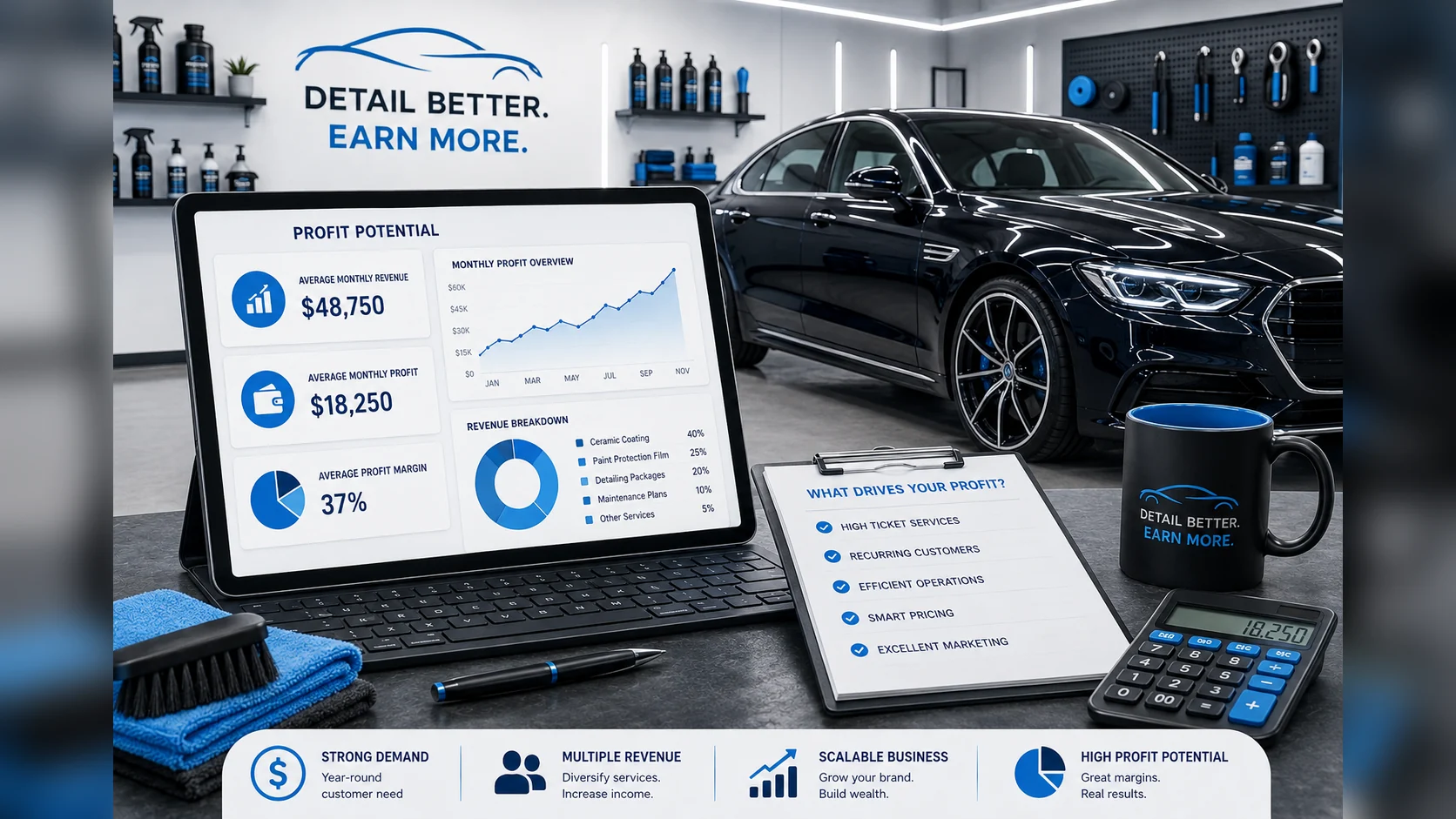
Protect the economics. A bundle can include a modest price advantage when shared preparation, intake, or bay handling truly reduces cost. Do not cut every service by the same percentage. Calculate the labor, material, commission, warranty exposure, and bay time for the combined job. The bundle must still meet the shop’s gross-profit requirement.
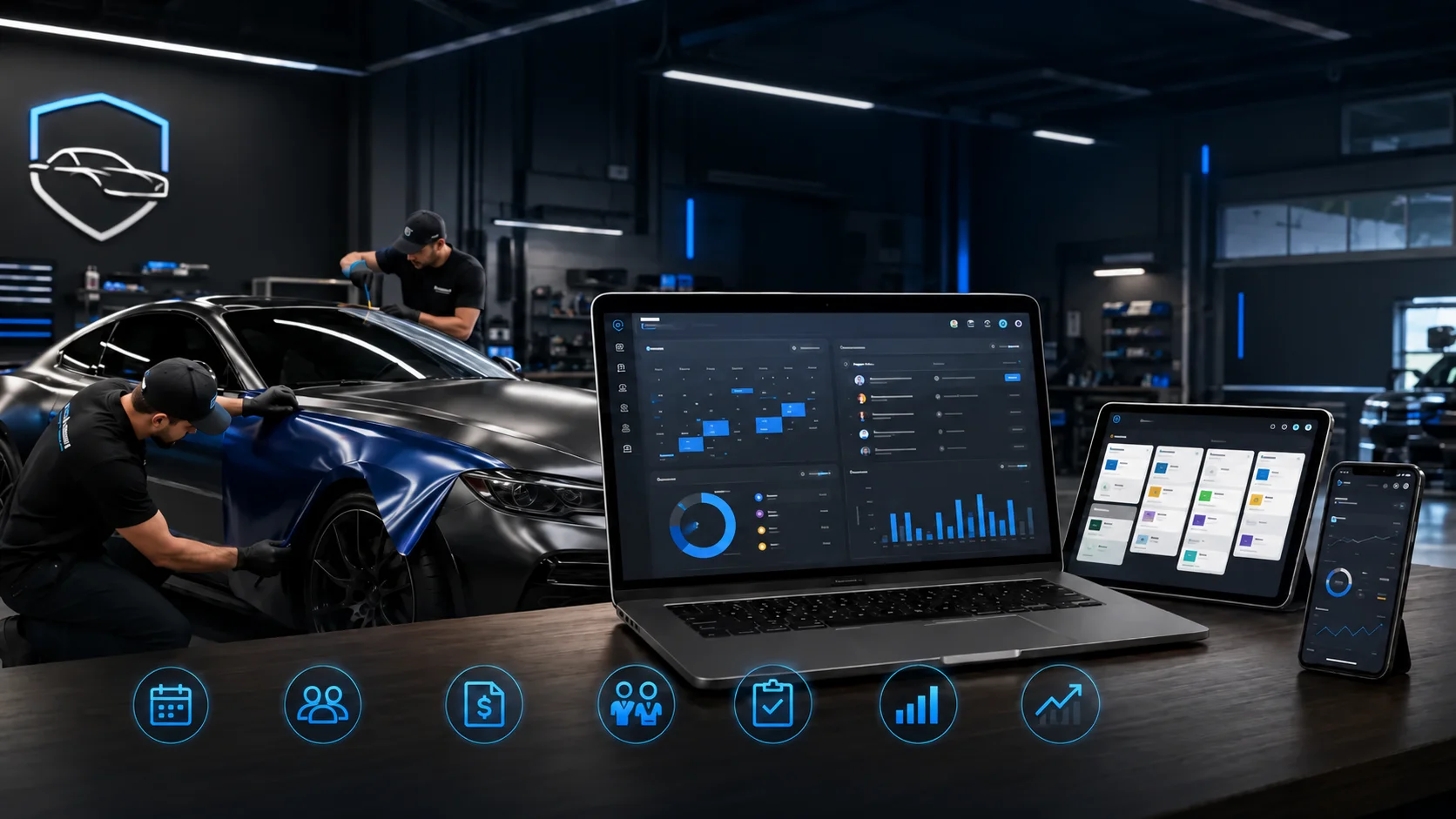
Structured quoting in OXMotive lets the shop save packages with clear inclusions while retaining separate cost and line-item logic. Estimators can recommend a repeatable solution instead of improvising a discount to close the sale.
Which automotive appearance services naturally belong together?
The best pairings share a customer goal, a preparation step, or a sensible installation sequence. Common combinations include:
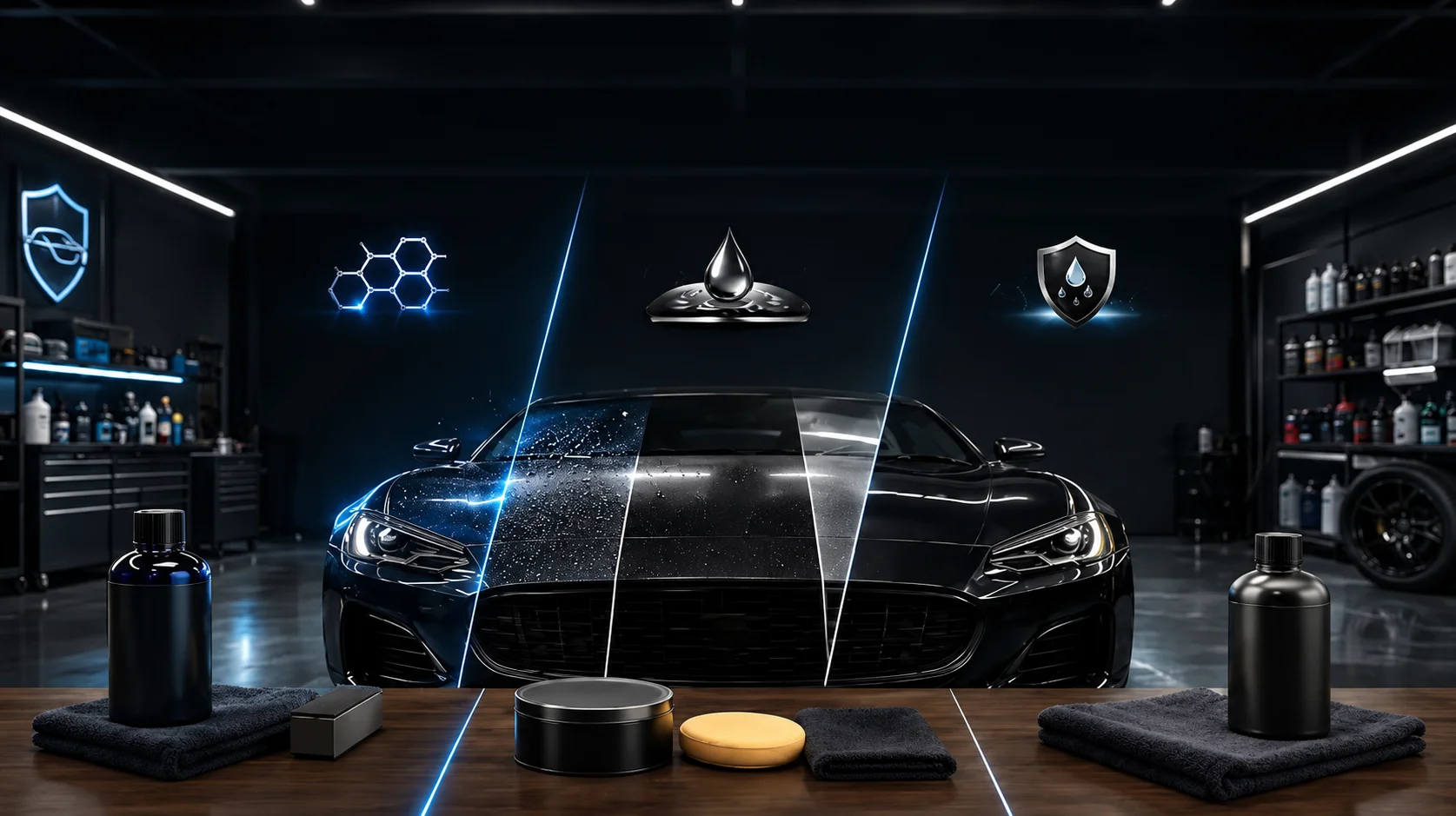
- PPF plus ceramic coating: film on high-impact areas, with compatible coating on remaining paint and, where approved by the product manufacturers, over the film.
- Paint correction plus ceramic coating: improve the finish before locking in the maintenance and protection plan.
- Window tint plus exterior protection: combine cabin comfort and privacy goals with paint protection during one planned visit.
- Full detail plus protection upgrade: prepare a used vehicle before applying coating, film, or glass treatment.
- Wheel, glass, trim, and interior coatings: add targeted protection around a larger exterior package.
Sequence matters. Correction and decontamination must happen at the correct point. Film must be installed and cured according to the manufacturer’s process before compatible top products are applied. Tint work needs clean access and a realistic schedule. Build the package with the installers who will perform it, not only with sales language.
Real shops demonstrate several workable structures. JR Protect publishes three bundles combining correction, ceramic coating, tint, wheel or interior protection, and either front or full PPF. Northeast Detailing publishes packages that pair PPF coverage with ceramic coating at different protection levels. These examples show the architecture, not prices that every market should copy. See JR Protect’s published packages and Northeast Detailing’s package menu.
For a deeper look at one component, read how detailing shops can add ceramic coating profitably.
How should a shop build a good, better, best protection package ladder?
A three-level ladder should help the customer choose the right scope, not push everyone to the highest price. Use this framework:
Good: solve the primary problem
Choose one main outcome with limited add-ons. Examples include paint enhancement plus a durable coating, or a partial impact area with a simple maintenance plan. Keep the scope easy to explain and operationally predictable.
Better: protect the highest-risk areas and improve ownership
Add broader coverage and a complementary service. A full-front PPF package could include compatible protection for exposed paint, glass, or wheels. A tint and ceramic package could combine cabin and exterior goals.
Best: provide complete, coordinated protection
Offer the broadest relevant coverage, premium product line, and long-term care plan. This may include full-body PPF, premium tint, coating for compatible surfaces, interior protection, and scheduled maintenance. Do not add services only to inflate the price.
For each tier, define the vehicle categories, included surfaces, product lines, preparation, expected downtime, warranty, care instructions, and exclusions. Show the step-up value in plain language. If the Better package costs more, the customer should immediately see what additional problem it solves.
OXMotive can store the three package templates and apply vehicle or complexity adjustments consistently. That keeps a salesperson from promising a Best-level outcome with Good-level labor.
How can a shop calculate whether bundling really raises ticket value?
Do not judge packages only by revenue. Compare both average ticket and gross profit using completed jobs from the same service mix.
Average ticket lift = average package ticket - average comparable single-service ticket
Ticket lift rate = average ticket lift ÷ average comparable single-service ticket × 100
Then calculate package gross profit:
Package gross profit = package selling price - film and chemical cost - direct labor - commissions - job-specific fees - expected warranty or rework allowance
Use your shop’s accounting rules and actual job data. Compare the package with what customers would otherwise have bought, not with an imaginary full menu. If most package buyers already planned to purchase PPF and ceramic separately, the lift may come from an add-on or improved close rate. If package discounts erase profit, revenue growth can hide a weaker job.
Also review bay utilization. Combining services may reduce repeated intake and handoff, but it may create a longer job that blocks capacity. Track estimated versus actual hours by service and installer. Adjust the package schedule and price when the workflow changes.
OXMotive keeps quotes and service history connected, helping the owner review which package sold, what was delivered, and whether the customer returned. This supports better decisions than looking at total sales alone.
How should protection packages be quoted consistently?
A package name is not enough. The quote should list every included service, surface, product, preparation step, warranty, turnaround, deposit, and exclusion. If PPF coverage is partial, define the panels and edge expectations. If coating is included, define which surfaces receive it. If tint is included, define the windows and product line.
Use a base package plus controlled modifiers. Vehicle size, paint condition, film complexity, existing-product removal, correction, disassembly, and special finish can change labor and material. Document which adjustments staff may apply and which require manager review.
Separate customer-requested changes from the original scope. When a customer adds windshield tint or upgrades PPF coverage after booking, issue an updated quote and revise the deposit and schedule before work begins.
Structured quotes in OXMotive create one approved version for the customer and production team. Deposits, messages, photos, and the appointment remain tied to that scope. For a detailed coverage framework, see how PPF shops can price coverage without undercharging.
When is the right time to present an upsell?
The right time is when the customer’s vehicle, history, or stated goal makes the next service relevant. At inquiry, ask what they want to protect and how the vehicle is used. During inspection, use documented condition to explain preparation and coverage. At delivery, focus on care rather than forcing another sale.
Service history creates better timing later. A customer who bought front PPF may be a fit for compatible coating or broader coverage after experiencing the benefit. A tint customer may return with another vehicle. A coating customer needs maintenance and may consider wheel, glass, or interior protection.
Do not send every customer the same campaign. Segment by completed service, vehicle, product, consent, and the next logical need. Automated follow-up in OXMotive can trigger a relevant message while preserving the original service record for staff context.
Use education in the follow-up. Explain what the add-on protects, when it should be done, whether it requires inspection, and how long it takes. A useful next step is stronger than an urgent discount.
How can a shop sell the next service without weakening trust?
Trust drops when staff recommend services that conflict with the customer’s goal or repeat work unnecessarily. Review the existing product, warranty, and care history before proposing an add-on. Be clear about compatibility and limits. If a coating or film product requires a specific preparation or cure window, follow manufacturer instructions.
Set a follow-up stage for customers who declined part of a package. Record the reason: budget, timing, vehicle condition, uncertainty, or no current need. Contact them when the reason can be addressed, not every week.
Use before-and-after photos, coverage diagrams, and written package comparisons to make the result concrete. Avoid claims that the product cannot support. The most credible upsell often sounds like a plan: protect the front now, maintain it correctly, then review remaining surfaces at a defined checkpoint.
OXMotive helps the shop retain that plan in the customer record and automate the reminder. Learn how communication supports the process in this guide to SMS for detailing customer experience.
How it fits together
A profitable protection package begins with a customer outcome, combines technically compatible services, follows a clear Good, Better, Best ladder, and passes a gross-profit test. Consistent quoting and relevant follow-up turn the package from a sales idea into a repeatable operating system. OXMotive keeps the templates, approvals, history, and next steps connected without replacing the shop’s product and installation judgment.
Frequently asked questions about automotive protection packages
What services can detailing shops bundle together?
Common bundles combine paint correction, ceramic coating, PPF, window tint, glass, wheel, trim, or interior protection. Pair services around a customer goal and confirm product compatibility and installation sequence.
Should protection packages be discounted?
Only when shared preparation or handling creates a real cost advantage and the package still meets the shop’s gross-profit target. The package should sell a clearer outcome, not depend on a deep discount.
How many protection package tiers should a shop offer?
Three tiers are often easy to compare: Good solves the main problem, Better adds broader coverage, and Best provides a complete coordinated plan. Every tier needs clear inclusions and exclusions.
How do I measure average ticket lift from bundling?
Subtract the average comparable single-service ticket from the average package ticket, then divide the difference by the single-service ticket for the lift rate. Also compare gross profit and actual labor hours.
When should a shop follow up about another protection service?
Follow up when service history, vehicle use, product timing, or a previously declined need makes the message relevant. Segment customers and explain the practical next step instead of sending a generic promotion.
Subscribe to our newsletter today
Fresh insights and practical tips delivered every week.